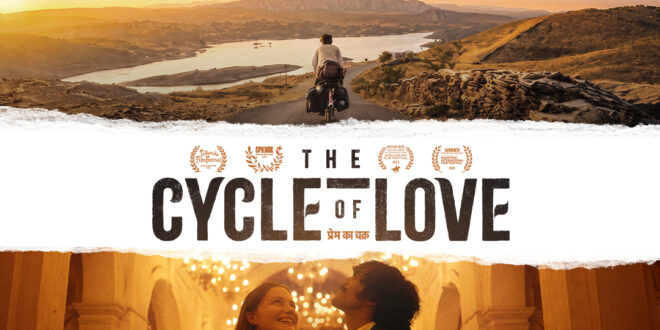
What happens when the society that tells you that you are inferior is not the society that ultimately recognises your worth?
The Cycle of Love may appear to be a remarkable love story, but beneath the romance lies a far more powerful story about caste, dignity, migration and the human desire to escape the boundaries imposed upon us at birth.
Based on the true story of P.K. Mahanandia, the film follows a young Dalit artist from India who falls in love with Lotta, a Swedish woman. When she returns to Sweden, P.K. makes an extraordinary decision: he will follow her.
With little money, he buys a second-hand bicycle and sets off on a journey of around 6,000 kilometres towards a country he barely knows.
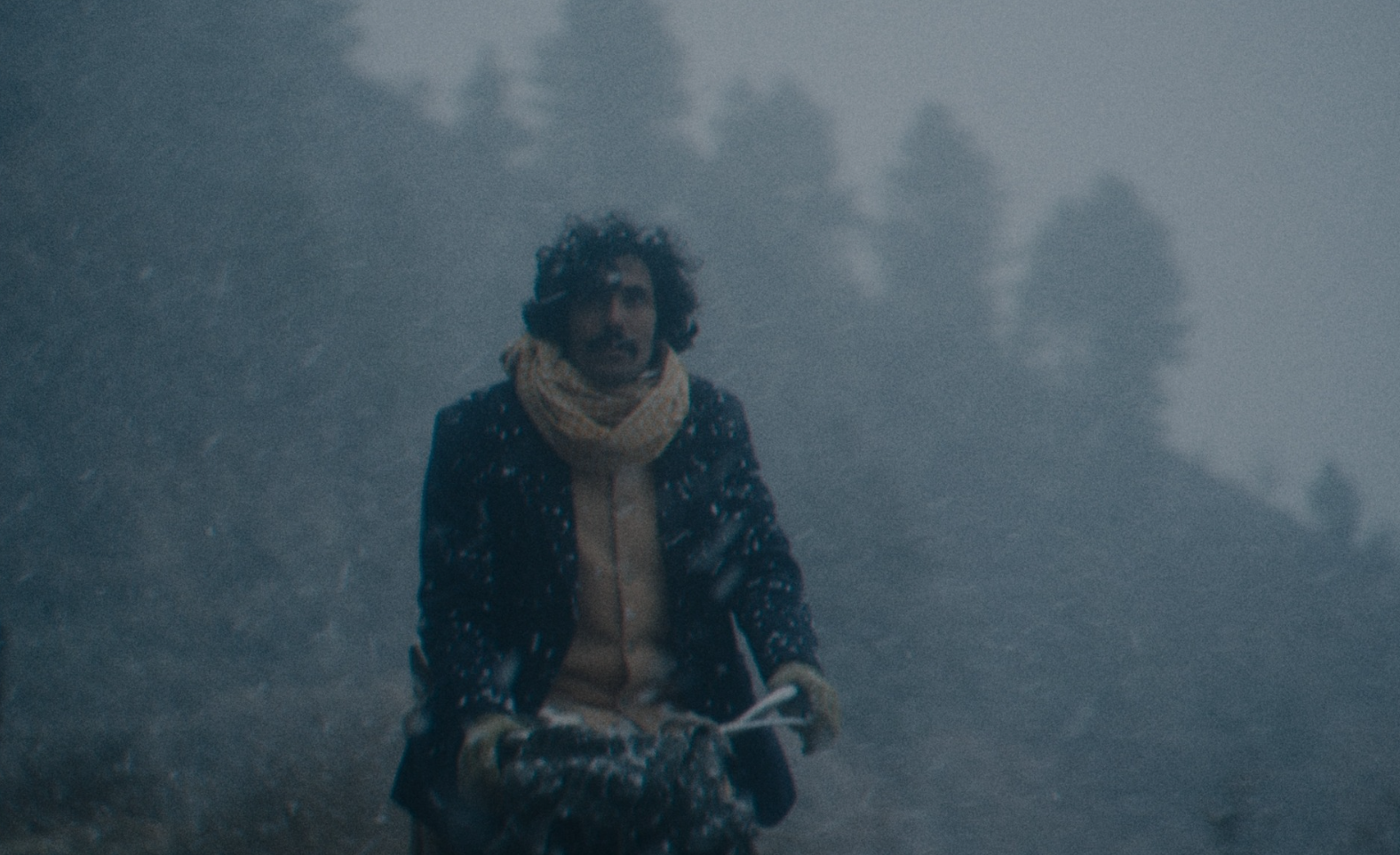
It sounds like the ultimate journey for love. But it is also a journey away from a system that had spent his childhood telling him that he was less than others.
P.K. grows up experiencing the brutal realities of caste discrimination in India. He is told in no uncertain term that he should not touch certain people, and that even something as basic as drinking water from the same well as those of “upper castes” can be denied to him.
Imagine what that does to a child.
To be told that your touch is unacceptable. That you are not equal. That your birth determines your place in society. And yet, the irony at the heart of The Cycle of Love is extraordinary.
The boy who was denied dignity grows into an artist whose talent can leave people in awe. The person judged by his caste finds himself in a society where his abilities, rather than his birth, can define him.
He does not become worthy when he reaches the West. He was always worthy. He simply finds a place where he is given the opportunity to prove it.
That is what makes this story about migration far more profound than the usual narrative of people leaving their homeland for better jobs or material opportunities.
Sometimes people migrate because they are looking for something more fundamental: the freedom to become who they are.
P.K. is not merely travelling towards Lotta. He is travelling towards a life where the label imposed upon him at birth no longer controls every aspect of his existence.
And Lotta represents that possibility. She sees him not as a caste, but as a person. Not as an untouchable, but as an artist. Not as someone beneath her, but as someone worthy of love.
For a man who has spent his life being told whom he cannot touch, being loved and respected must have been transformative.
So he gets on that second-hand bicycle. Every turn of the wheel becomes an act of defiance.
He is leaving behind a society that had already decided his place and travelling towards a world where he can decide it for himself.
And then there is the magic of the journey. Perhaps the most beautiful part of P.K.’s journey is that, despite everything he has suffered, he does not become bitter.
Instead, he connects with people.
He stops to help strangers. He forms unexpected friendships. He accepts kindness from people he has never met and, in turn, offers kindness to others.
A man who was denied dignity becomes someone who gives dignity to others. A person who was treated as an outsider chooses not to treat strangers as outsiders.
And this is where serendipity and karma seem to weave themselves into the story.
His journey is filled with chance encounters and unexpected acts of kindness. People appear when he needs them. Doors open in places he could never have anticipated.
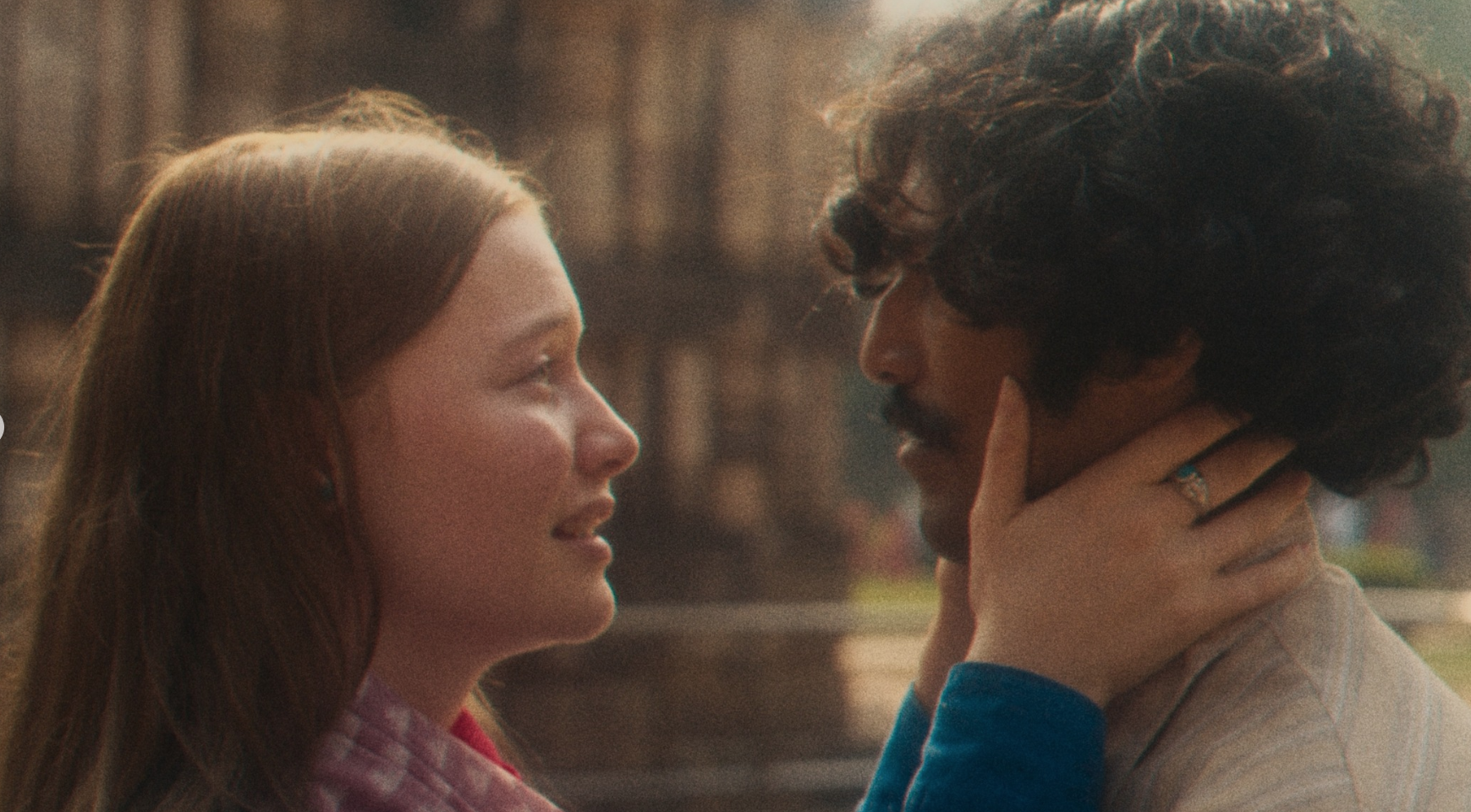
Perhaps it is coincidence. Perhaps it is destiny. Or perhaps karma is simply the kindness we put into the world finding its way back to us. P.K. could have carried the cruelty he experienced like a burden. Instead, he carries compassion. And somehow, the road keeps giving something back.
That makes his journey about more than reaching Lotta. It becomes a journey through humanity itself.
Yet the film leaves behind questions.
How many talented children are told they are inferior because of their caste? How many lives are constrained by prejudices they did not create? How much talent does society lose when it decides someone’s worth before giving them an opportunity?
India’s Constitution abolished untouchability, and the country has made enormous progress. Yet caste discrimination continues in different forms, and stories like P.K.’s remind us why confronting it still matters.
The film also offers an important reflection on the Western world.
The West is certainly not free from racism, inequality or prejudice. But P.K.’s story demonstrates the transformative power of a society in which birth does not necessarily have to determine destiny.
He leaves India searching for the woman he loves. But he also discovers something else: the possibility of being recognised for who he is.
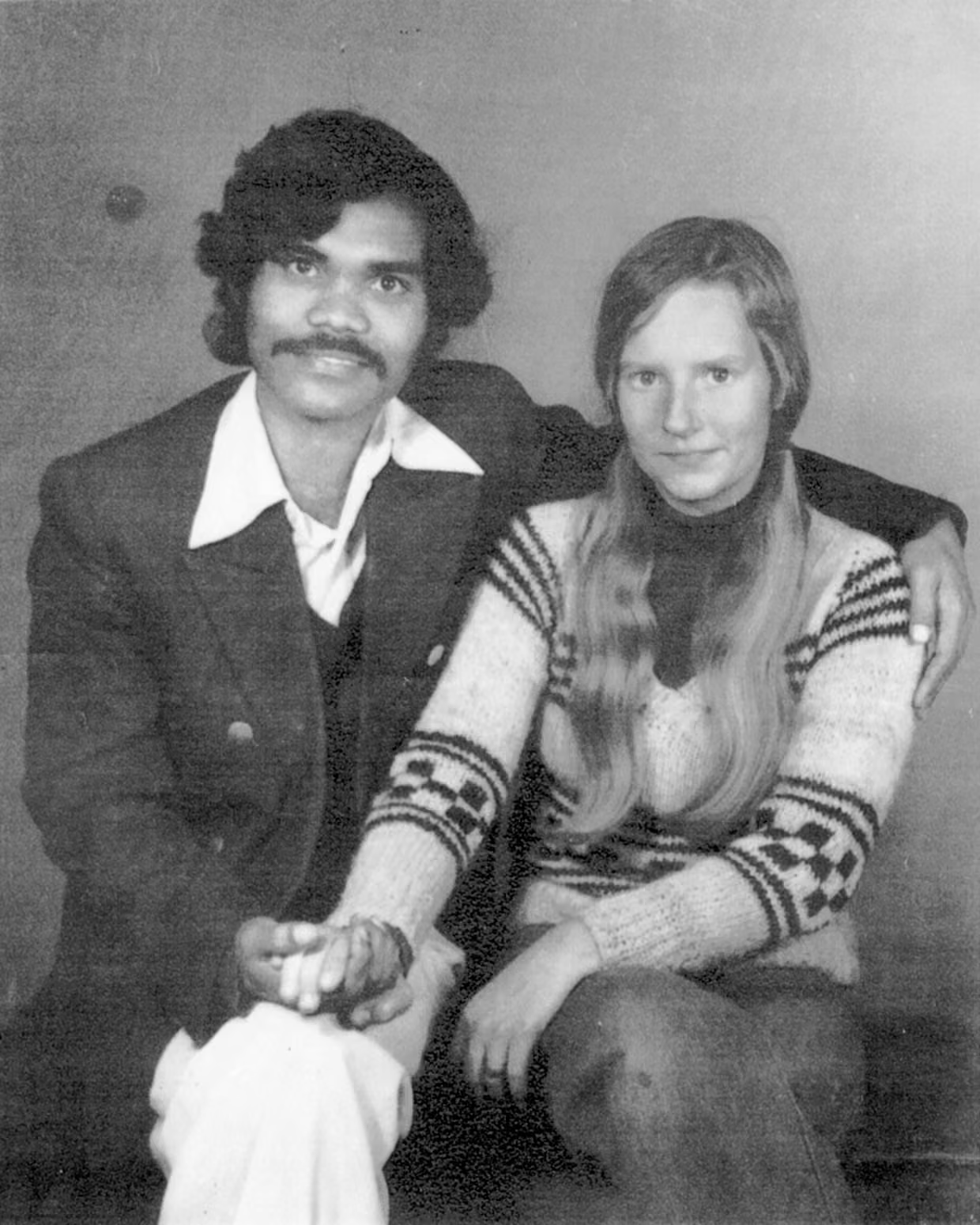
That is why The Cycle of Love is not simply a romantic film. It is a story about love, caste, courage, migration, dignity and second chances. Lotta did not give P.K. his worth. She helped him see it.
And perhaps that is the most beautiful part of the story. He was told not to touch. Yet he reached out. He was denied acceptance. Yet he accepted others. He was denied dignity. Yet he gave it freely.
And somewhere along those 6,000 kilometres, a journey that began as a desperate attempt to reach the woman he loved became something much bigger.
A journey from rejection to recognition. From oppression to opportunity. From being told who he was to discovering who he could become.
P.K. cycled 6,000 kilometres on a second-hand bicycle for love.
But perhaps he was also cycling towards something even more precious: the freedom to be seen simply as a human being, worthy of love, respect and a second chance.
The Cycle of Love is releasing in cinemas on 18 Sept.
Watch the Trailer here